
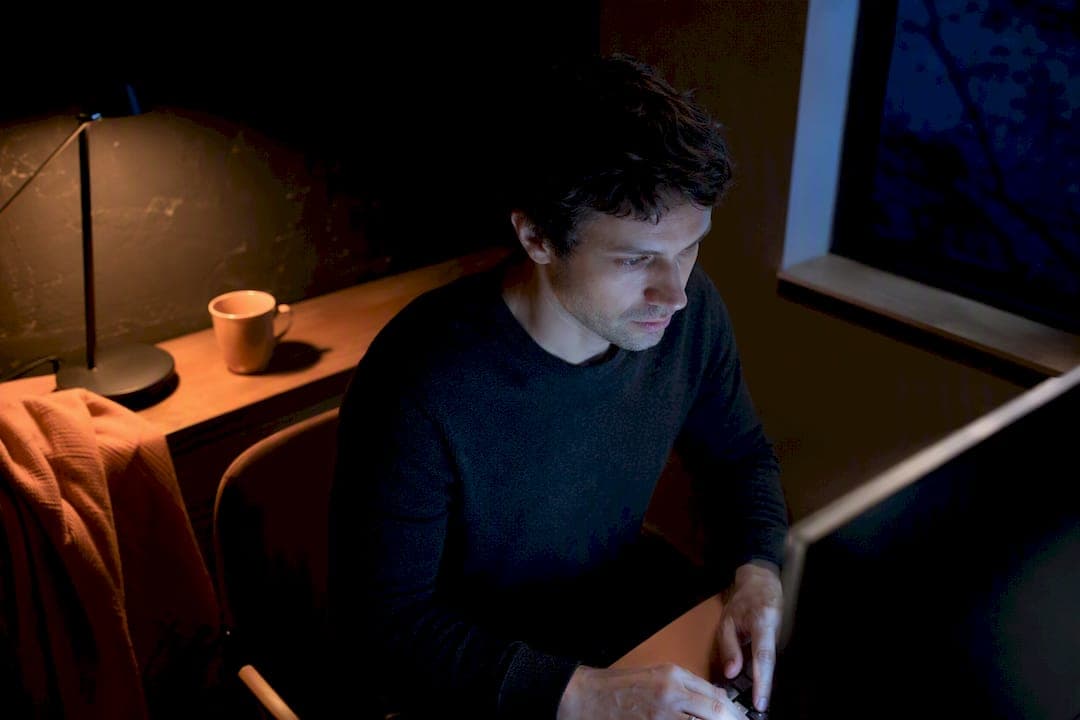
Device-emitted blue light does not cause permanent eye disease, and the American Academy of Ophthalmology does not recommend blue-blocking glasses for routine screen use. Evening exposure to short-wavelength light does suppress melatonin and delay sleep, but the fix is behavioral timing and measured display control, not a single product. That's the split worth understanding before you spend money solving the wrong problem.
TL;DR:
- Blue light from screens does not cause permanent eye damage or macular degeneration, as retinal injury requires much higher light intensities.
- Exposure to blue-enriched light in the evening suppresses melatonin and delays sleep, but the primary solution is behavioral timing and display brightness control.
- Blue-light blocking glasses show limited benefit for healthy sleepers and are more effective only for individuals with insomnia or irregular schedules.
- Eye fatigue is mainly caused by reduced blinking, sustained focus, glare, and poor ergonomics, which can be mitigated by simple habits like the 20-20-20 rule.
- Controlling light exposure at key times, especially dimming screens 1-2 hours before bed, and maintaining consistent sleep routines have a greater impact than screen filters or glasses.
Table of Contents
- Blue Light Myths, Busted One by One
- The Real Biology: Melanopsin, Timing, and Melatonin
- Why Your Eyes Feel Tired After a Long Screen Session
- What to Actually Do Tonight
- Where Lumina Filter Fits Against the Evidence
- An Editorial Take on the Blue Light Panic
- Try a Measured, Evidence-Aligned Filter Tonight
- Sources
Blue Light Myths, Busted One by One
Most of what circulates about blue light mixes a real biological effect with a fear that doesn't hold up under scrutiny. Here's where the evidence actually lands on the claims you've probably heard repeated as fact.
Myth: Screens cause macular degeneration. There's no conclusive evidence that blue light from phones, laptops, or monitors causes permanent eye damage. The American Academy of Ophthalmology reviewed the claim directly and does not recommend blue-blocking eyewear for routine computer use. Retinal damage from light requires far higher intensities than any screen produces at normal viewing distance.
Myth: Blue light is unnatural and inherently harmful. Sunlight is the largest source of blue light you'll ever encounter, by orders of magnitude, and Harvard Health notes that daytime exposure to it actively supports circadian health. Blocking blue light indiscriminately, at the wrong time of day, can work against you rather than for you.
Myth: Everyone needs blue-blocking glasses. A systematic review of blue-light blocking interventions found mixed, heterogeneous results. Some subgroups, particularly people with insomnia or irregular schedules, report subjective sleep improvement. Healthy sleepers generally don't see the same benefit, and the Cleveland Clinic confirms the glasses don't prevent eye strain or long-term eye disease either way.
Myth: Blue light is the main cause of digital eye strain. It's usually a secondary factor at best. Reduced blink rate, sustained near focus, and glare drive most of the discomfort people blame on "blue light."
The Real Biology: Melanopsin, Timing, and Melatonin
Your retina contains specialized cells called intrinsically photosensitive retinal ganglion cells, or ipRGCs, which carry a light-sensitive pigment named melanopsin. These cells don't help you see detail. They report ambient brightness to your brain's circadian clock, and they're most sensitive to short-wavelength light in the blue range.
By the Numbers: Experimental work published in Communications Biology found that lowering the melanopic content of display light, without necessarily changing its color appearance, reduced melatonin suppression and shortened sleep latency compared with higher melanopic light exposure at the same brightness.
That distinction matters more than most blue-light coverage lets on. Melanopic irradiance, a measure of how strongly a light source drives melanopsin, depends on intensity and spectral makeup together, not just how "blue" a screen looks to your eye. A dim screen with a lot of blue can matter less than a bright screen with only a little.
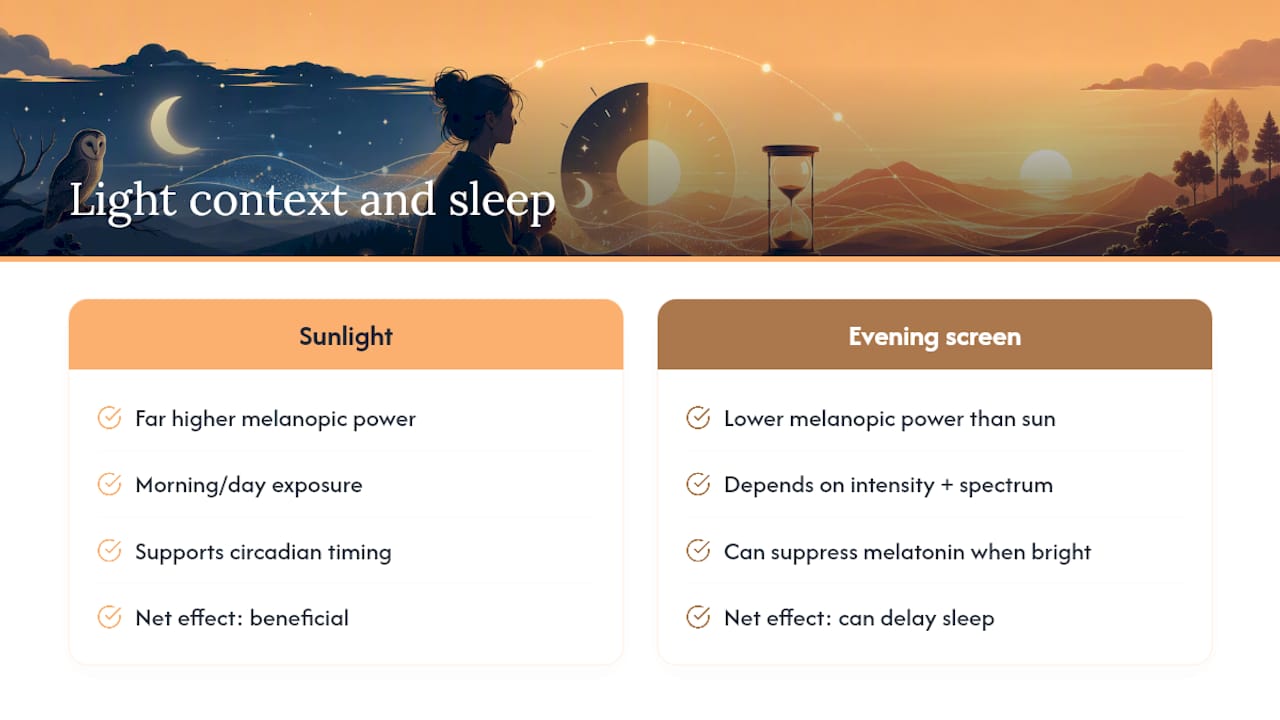
The Sleep Foundation confirms the core effect: evening exposure to blue-enriched, bright light suppresses melatonin and can delay when you actually fall asleep. But context is everything here. Sunlight delivers far more melanopic power than any screen, which is exactly why morning and daytime light exposure is beneficial rather than something to avoid. The problem isn't blue light existing. It's blue-enriched, high-intensity light showing up at the wrong hour.
Why Your Eyes Feel Tired After a Long Screen Session
If blue light isn't the main driver of eye strain, what is? The AAO points to a cluster of functional causes tied to how you use screens, not what color they emit.
- You blink roughly 66% less often when staring at a screen, which dries out the tear film faster than normal.
- Sustained near focus for hours fatigues the eye muscles that control focusing.
- Glare and poor contrast force your eyes to work harder to resolve text.
- Screen position and posture strain your neck, shoulders, and indirectly your eyes.
The fixes that actually help address these mechanisms directly rather than filtering color. Follow the 20-20-20 rule: every 20 minutes, look at something 20 feet away for 20 seconds. Use artificial tears if dryness is a recurring issue, and adjust monitor height and distance to reduce awkward neck angles.
Pro Tip: Set a recurring 20-minute timer during focused work. The habit does more for eye comfort than any filter, because it directly counters the blink-rate drop that's actually causing the fatigue.
What to Actually Do Tonight
Evidence points to a short list of changes that make a measurable difference, in roughly this order of impact:
- Cut blue-enriched, bright light 1 to 2 hours before bed. This is the single highest-leverage change, since timing determines whether light delays your sleep onset at all.
- Lower brightness and enable dark mode in the evening, aiming to reduce melanopic irradiance rather than just shifting hue. A dim, warm screen beats a bright one with a color filter slapped on top.
- Consider blue-blocking glasses or a stronger display filter if you have insomnia or an irregular schedule. The subgroup evidence is more favorable here than for the general population.
- Get bright daylight exposure in the morning. Harvard Health recommends this as a way to anchor your circadian rhythm, which makes evening dimming more effective by contrast.
- Keep a consistent sleep schedule and apply the 20-20-20 rule during the day for eye comfort independent of your sleep goals.
None of this requires buying anything. It requires timing, brightness, and a bit of consistency, which is exactly why so much blue-light marketing skips past it.
Where Lumina Filter Fits Against the Evidence
Lumina Filter operates at the display level, adjusting warmth in real time and syncing to circadian timing rather than applying a flat, always-on tint.
- Adjustable filter strength lets you match intensity to time of day, aligning with the timing-over-hue evidence above.
- Spectrometry-backed testing, detailed on the Lumina Filter science page, grounds warmth adjustments in measured spectral output rather than guesswork.
- It's a tool that complements behavioral habits like the 20-20-20 rule and morning daylight, not a replacement for them.
An Editorial Take on the Blue Light Panic
Most blue-light coverage sells fear before it sells facts, and that's backwards. The honest position is that the biology is real but narrow: timing and intensity matter, not hue for its own sake. Test the free changes first, dimming, dark mode, a consistent bedtime, before spending on glasses that the evidence only supports for specific sleep-disrupted groups. If you still want finer control after that, a display-level tool is a reasonable next step, not a first one.
— Dave
Try a Measured, Evidence-Aligned Filter Tonight
If you've made the timing and brightness changes above and still want tighter control over your screen's spectral output, that's exactly the gap Lumina Filter is built to close. Unlike a flat night-mode toggle, it gives you adjustable filter strength and automatic circadian sync at the display level, so warmth shifts with the clock instead of staying static.
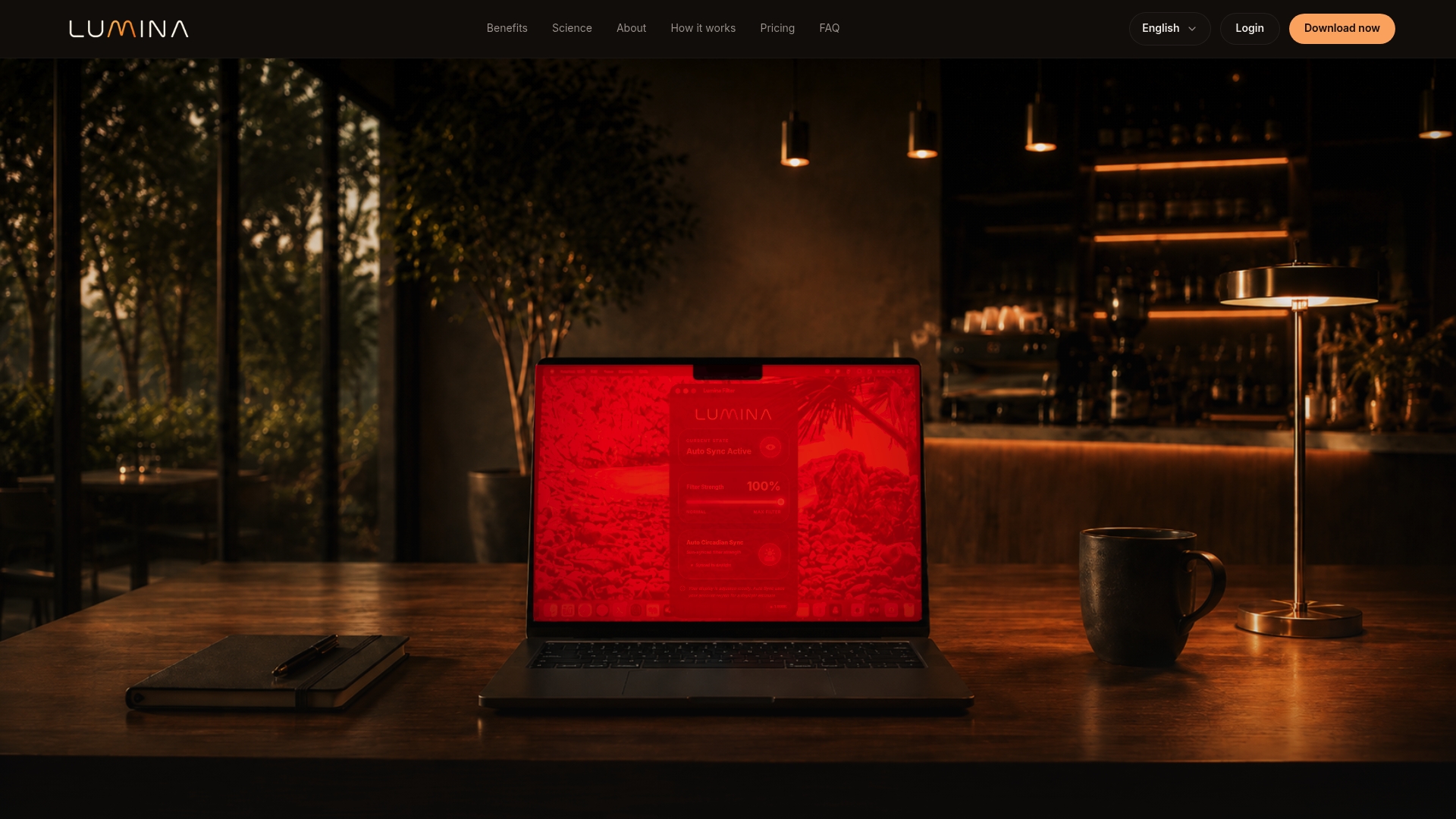
It's built for remote workers, students, and night owls who spend long evening hours in front of a Mac or Windows machine and want more than a blanket orange tint. You can compare it directly against a built-in option on the Night Shift alternative page or see the full feature set on the Lumina Filter homepage. A 7-day free trial lets you verify the difference on your own display before committing to a subscription.
Sources
- Should You Be Worried About Blue Light? - American Academy of Ophthalmology
- Blue light has a dark side - Harvard Health
- Melanopic irradiance defines the impact of evening display light on sleep latency, melatonin and alertness - Communications Biology
- Blue Light: What It Is and How It Affects Sleep - Sleep Foundation
- Do blue-light blocking glasses actually work? - Cleveland Clinic
This article is general information, not a substitute for advice from a qualified doctor. Consult a qualified healthcare professional about your own circumstances before acting on anything here.